After over a decade playing in the A-Leagues, Scott Galloway called time on his professional football career following his short stint at Auckland FC. In the latest edition of ‘Beyond the Game’, the A-League Champion spoke to pfa.net.au about why he decided to retire at the age of 31.
“I looked at it and went: is it worth it anymore?”
This was the question Scott Galloway asked himself during the final year of his professional career.
It came during his time at Auckland FC in the 2024-25 A-League Men season; a campaign in which the Black Knights took the league by storm and won silverware at the first time of asking.
But for Galloway, it would be the final stop in his successful A-Leagues career.
“It kind of got to a point where it just felt impossible to step onto the pitch and be a footballer,” he told pfa.net.au
“The one thing you want to do is play and it was just kind of taken away from [me].
“No matter what [I] did – and I worked with some amazing people and specialists, inside of clubs and outside personally that I invested into myself – and I just couldn’t get answers.
“So, unfortunately, the final decision was not ‘do I want to continue?’ It was ‘can I even continue?’
“I came to the decision that it was best to look at retirement and move on to that next stage in life rather than trying to force something that maybe my body was telling me is no longer possible.”
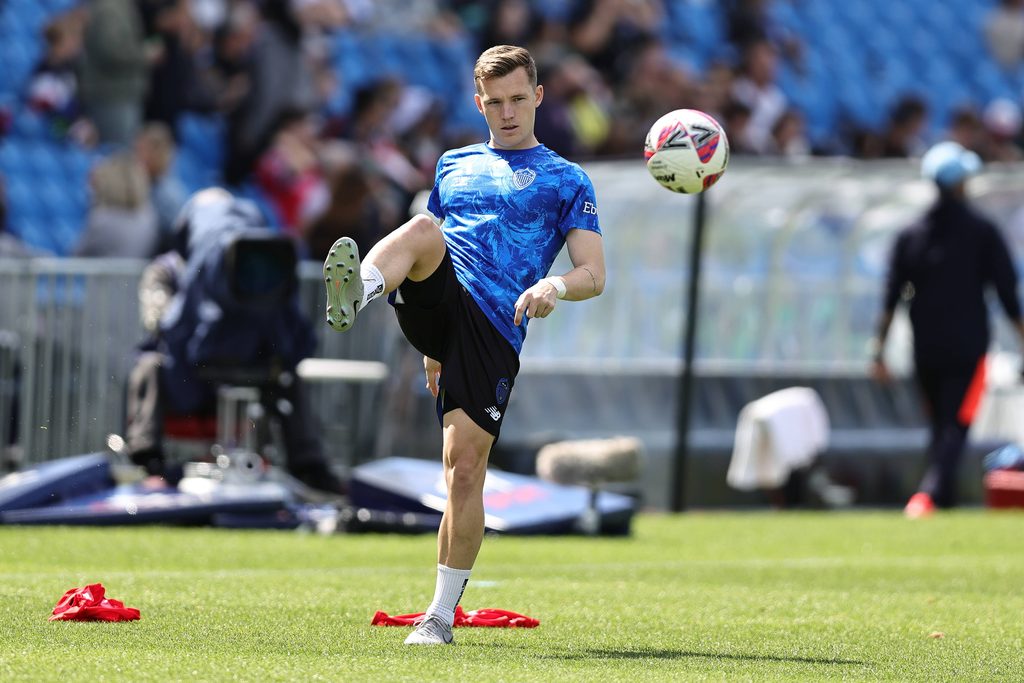
Galloway’s over decade-long career saw him make over 220 appearances in the A-Leagues.
He featured for some of the strongest teams in competition history, starting his professional career with the ultra-successful Melbourne Victory of the early 2010s, debuting under the tutelage of Ange Postecoglou and winning the A-League Men double and an FFA Cup with Kevin Muscat at the helm.
After stops at Central Coast Mariners, Wellington Phoenix and Adelaide United – which yielded a FFA Cup crown – Galloway would cross the divide to Melbourne City during their era of dominance in the early 2020s.
Ultimately, he would win two A-League Men Championships and a total of five Premierships throughout his career.
The last of those pieces of silverware came in Auckland, after he signed with the expansion club with the hope of getting his career back on track.
“I was kind of looking for a new lease on life,” he said.
“My time at [Melbourne] City wasn’t as enjoyable and then towards the end with the injuries I was thinking I have one more year on my contract, maybe I just see out this year and call it there or see what comes of it.
“There’s always that uncertainty coming out of contract, then the opportunity came in Auckland and that was just impossible to pass up.
“But the hard thing that came with that was having to leave my partner and be further away from family.
“But in saying that the club was amazing. They put in so much time and effort to help me and even were willing to sign me knowing the issues that I probably had coming in there but they all sort of believed that maybe the right environment could fix it but unfortunately couldn’t.”
Galloway would only feature four times for Auckland before another injury setback meant he was faced with the reality of retirement.
“It was probably I reckon at least halfway through that season where I had already battled through two injuries, came back, started to slowly get minutes off the bench and then it just felt it again and that was it,” Galloway said.
“I looked at it and went: is it worth it anymore? Being away from loved ones and again can’t get to play football.
“I had a massive amount of support through them and the PFA to help me through that time the difficulties that I felt mentally off the pitch and then that just led to my decision to hang them up.”
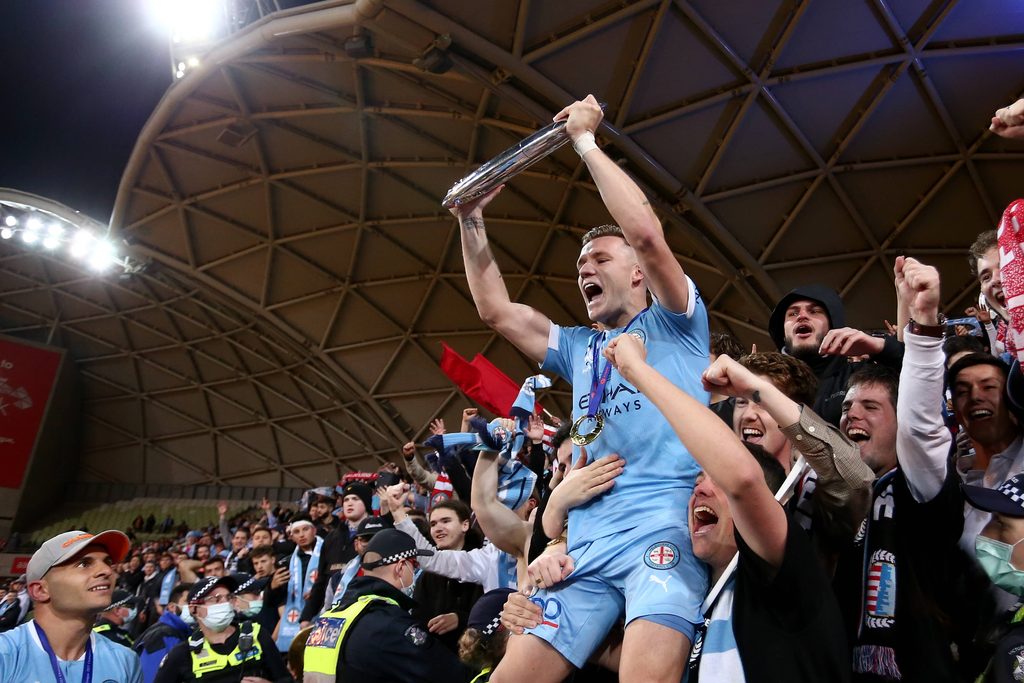
Following his retirement, Galloway sought advice from the PFA to apply for career-ending injury insurance and was ultimately granted the payout, which helped him in his transition out of the game.
“We spend our lives giving everything we can to the sport, to each club that we go to,” he said.
“Then the uncertainties that can roll around that if you get an injury and the timing of them, if you get one coming off-contract or like me it’s something that’s ended my career sooner than I thought it makes a big, big difference in the terms of your transition.
“Whether you’re coming out of the sport or if you’re changing clubs while fighting an injury because physio is not cheap.
“At the end of the day, if you don’t have a contract if our bodies aren’t able to perform and then without thinking of different scenarios for different people, financial difficulties that can come in.
“For me I just had to look after myself and my partner. [But] think of people with family and kids and that it can make a big, big difference, [which I was] fortunate enough to get [career-ending injury insurance].”
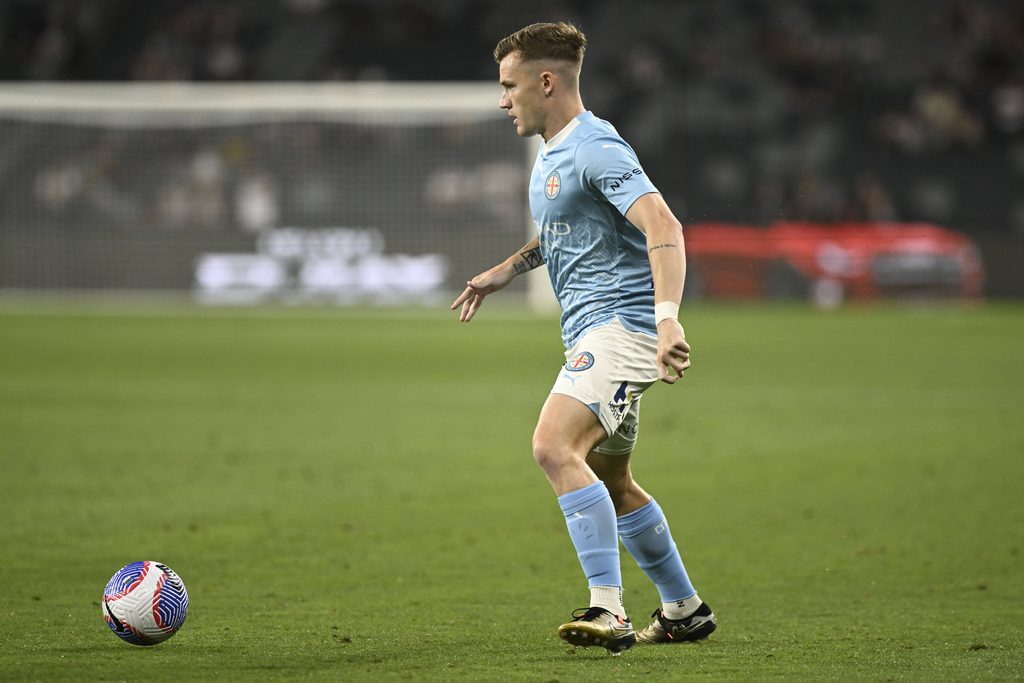
He believes utilising PFA services is something that helped him enormously as he edged closer towards reitrement and advises his fellow peers to do the same.
“I would say always reach out [to the PFA],” he said.
“I felt like I was going to drift away in silence and not do anything. It wasn’t until I spoke to the other boys I knew that had done it and contacted the PFA that I realised the opportunities… and the different ways to support you.
“There’s never a problem or never any harm in asking the question because again they’ve always made me feel that you know no question is too stupid or too small.
“We don’t know everything, footballers can be a bit blinded to a lot of things that are going on at times or ways to go about helping yourself and the PFA are there to help you.”